
Microsoft Upgrading Your Skills to MCSA: Windows Server 2016 (70-743日本語版) : 70-743日本語

- Exam Code: 70-743日本語
- Exam Name: Upgrading Your Skills to MCSA: Windows Server 2016 (70-743日本語版)
- Updated: Aug 24, 2026
- Q & A: 295 Questions and Answers
About Microsoft Upgrading Your Skills to MCSA: Windows Server 2016 (70-743日本語版) : 70-743日本語 Exam
Purchasing our high-quality products get high passing score
Our Upgrading Your Skills to MCSA: Windows Server 2016 (70-743日本語版) test vce pdf win a good reputation from candidates for its highly passing quality. We have special channel to get latest exam data and relating news so that our professional educators can work out high-quality questions and answers of MCSA: Windows Server 2016 70-743日本語 valid test questions: our 99% passing-rate products will bring your confidence in your exam. Based on our past experience and data, if you pay close attention our Upgrading Your Skills to MCSA: Windows Server 2016 (70-743日本語版) reliable training dumps, only one or two days' preparation will make you enough skilled for your real test. If you spend much time on our 70-743日本語 valid test torrent, you will get a wonderful passing score even beyond your expectation.
Abundant kinds of exam materials to satisfy different studying habit
Many candidates notice that we have three choices for each 70-743日本語 valid test questions: PDF, Soft test engine, APP test engine. In fact these three versions contain same questions and answers. Their different point is the way of presentation. PDF version of Upgrading Your Skills to MCSA: Windows Server 2016 (70-743日本語版) test vce pdf is the common style that many buyers may be used to this version if you want to print out and note on paper. Soft test engine of 70-743日本語 valid test question is new version as software. It should be downloaded on computer first and then you can copy to any device, you can simulate the real test scene and use offline. APP test engine of Upgrading Your Skills to MCSA: Windows Server 2016 (70-743日本語版) latest study dumps have nearly same functions with Soft. It works based on browser. After download first, you can use offline too if you don't clear cache.
With the wide use of computer more and more people want to enter into this industry, high-salary positions relating computer & network spring up. Upgrading Your Skills to MCSA: Windows Server 2016 (70-743日本語版) test training material: Upgrading Your Skills to MCSA: Windows Server 2016 (70-743日本語版) do help people enter into this field or have a nice promotion after passing exam and get professional certifications. That's why our 70-743日本語 valid test questions are so popular and get so many high comments. If you are not satisfied with your recent jobs, our Microsoft Upgrading Your Skills to MCSA: Windows Server 2016 (70-743日本語版) reliable training dumps can give you a chance to restart. IT certifications are regarded as important in most countries all over the world. Once you get a certification with our MCSA: Windows Server 2016 Upgrading Your Skills to MCSA: Windows Server 2016 (70-743日本語版) latest study material, you may have chance to apply for an international large company or a senior position. It will bring you a better living condition with your job hopping. Our Upgrading Your Skills to MCSA: Windows Server 2016 (70-743日本語版) latest practice torrent benefit candidates in many aspects.

Microsoft 70-743 Exam Syllabus Topics:
| Topic | Details |
|---|---|
| Implement Network Connectivity and Remote Access Solutions | Implement virtual private network (VPN) and DirectAccess solutions -Implement remote access and site-to-site (S2S) VPN solutions using remote access gateway; configure different VPN protocol options; configure authentication options; configure VPN reconnect; create and configure connection profiles; determine when to use remote access VPN and site-to-site VPN and configure appropriate protocols; install and configure DirectAccess; implement server requirements; implement client configuration; troubleshoot DirectAccess |
| Install and Configure Active Directory Domain Services (AD DS) | Install and configure domain controllers -Install a new forest; add or remove a domain controller from a domain; upgrade a domain controller; install AD DS on a Server Core installation; install a domain controller from Install from Media (IFM); resolve DNS SRV record registration issues; configure a global catalog server; transfer and seize operations master roles; install and configure a read-only domain controller (RODC); configure domain controller cloning |
| Implement identity federation and access solutions | Install and configure Active Directory Federation Services (AD FS) Implement Web Application Proxy (WAP) |
| Implement Windows Containers | Deploy Windows containers Manage Windows containers |
| Install Windows Servers in Host and Compute Environments | Install, upgrade, and migrate servers and workloads Create, manage, and maintain images for deployment |
| Implement Domain Name System (DNS) | Install and configure DNS servers Implement and Maintain IP Address Management (IPAM) |
| Implement an Advanced Network Infrastructure | Implement high performance network solutions Determine scenarios and requirements for implementing Software Defined Networking (SDN) |
| Implement Hyper-V | Install and configure Hyper-V Configure virtual machine (VM) settings Configure Hyper-V storage Configure Hyper-V networking |
| Implement High Availability | Implement high availability and disaster recovery options in Hyper-V Implement failover clustering Implement Storage Spaces Direct Manage failover clustering Manage VM movement in clustered nodes |
| Implement Storage Solutions | Implement server storage Implement data deduplication |
Reference: https://www.microsoft.com/en-us/learning/exam-70-743.aspx
Skills measured
- Implement Network Connectivity and Remote Access Solutions
- Implement Hyper-V
- Install Windows Servers in Host and Compute Environments
- Implement Windows Containers
- Implement Storage Solutions
- Implement an Advanced Network Infrastructure
- Implement Domain Name System (DNS)
- Implement identity federation and access solutions
- Implement High Availability
- Install and Configure Active Directory Domain Services (AD DS)
Our superior service is the key factor why we stand out
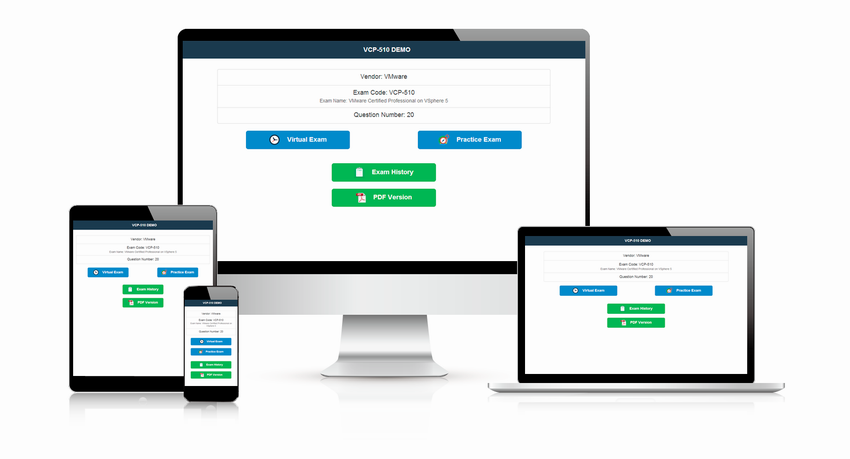
We hold the opinion that customer is the first. So we offer 24 hours online service so that buyers can obtain assist from us about Upgrading Your Skills to MCSA: Windows Server 2016 (70-743日本語版) valid test questions: Upgrading Your Skills to MCSA: Windows Server 2016 (70-743日本語版) any time. Even on large holidays and at nigh we arrange professional service staff on duty. Besides, we bring out worry-free shopping. If you are interested in our 70-743日本語 valid test questions, purchasing process is easy. You can pay by your credit card and instant download within 10 minutes. If you worry about the quality of our latest Microsoft Upgrading Your Skills to MCSA: Windows Server 2016 (70-743日本語版) latest practice dumps, we also provide a small part of our complete files as free demo for your reference before buying. "Money back guarantee" is our promise which will make buyers safe.
All in all, if you are still looking for the best products to help you clear exam and obtain your dreaming certification, choosing our Upgrading Your Skills to MCSA: Windows Server 2016 (70-743日本語版) latest practice torrent will be your best select.
Instant Download: Upon successful payment, Our systems will automatically send the 70-743日本語 dumps you have purchased to your mailbox by email. (If not received within 12 hours, please contact us. Note: don't forget to check your spam.)
Related Exam
- 70-741J pdf dumps torrent
- 070-740J pdf dumps torrent
- 70-742-Deutsch pdf dumps torrent
- 070-742J pdf dumps torrent
- 70-744-Deutsch pdf dumps torrent
- 70-743-Deutsch pdf dumps torrent
- 070-743-Deutsch pdf dumps torrent
- 70-741-Deutsch pdf dumps torrent
- 070-740-Deutsch pdf dumps torrent
- 070-743J pdf dumps torrent
Related Certifications
Over 62955+ Satisfied Customers
What Clients Say About Us
Quality and Value
Free4Torrent Practice Exams are written to the highest standards of technical accuracy, using only certified subject matter experts and published authors for development - no all study materials.
Tested and Approved
We are committed to the process of vendor and third party approvals. We believe professionals and executives alike deserve the confidence of quality coverage these authorizations provide.
Easy to Pass
If you prepare for the exams using our Free4Torrent testing engine, It is easy to succeed for all certifications in the first attempt. You don't have to deal with all dumps or any free torrent / rapidshare all stuff.
Try Before Buy
Free4Torrent offers free demo of each product. You can check out the interface, question quality and usability of our practice exams before you decide to buy.












The latest & valid real study questions with the verified answers can ensure you pass your actual test at first try. Download the free study torrent for your exam preparation and start study immediately. You will success with ease by our real questions.